Correct route and placement for the building drainage layout.
ME-06TOR
Systems & methods · Toronto
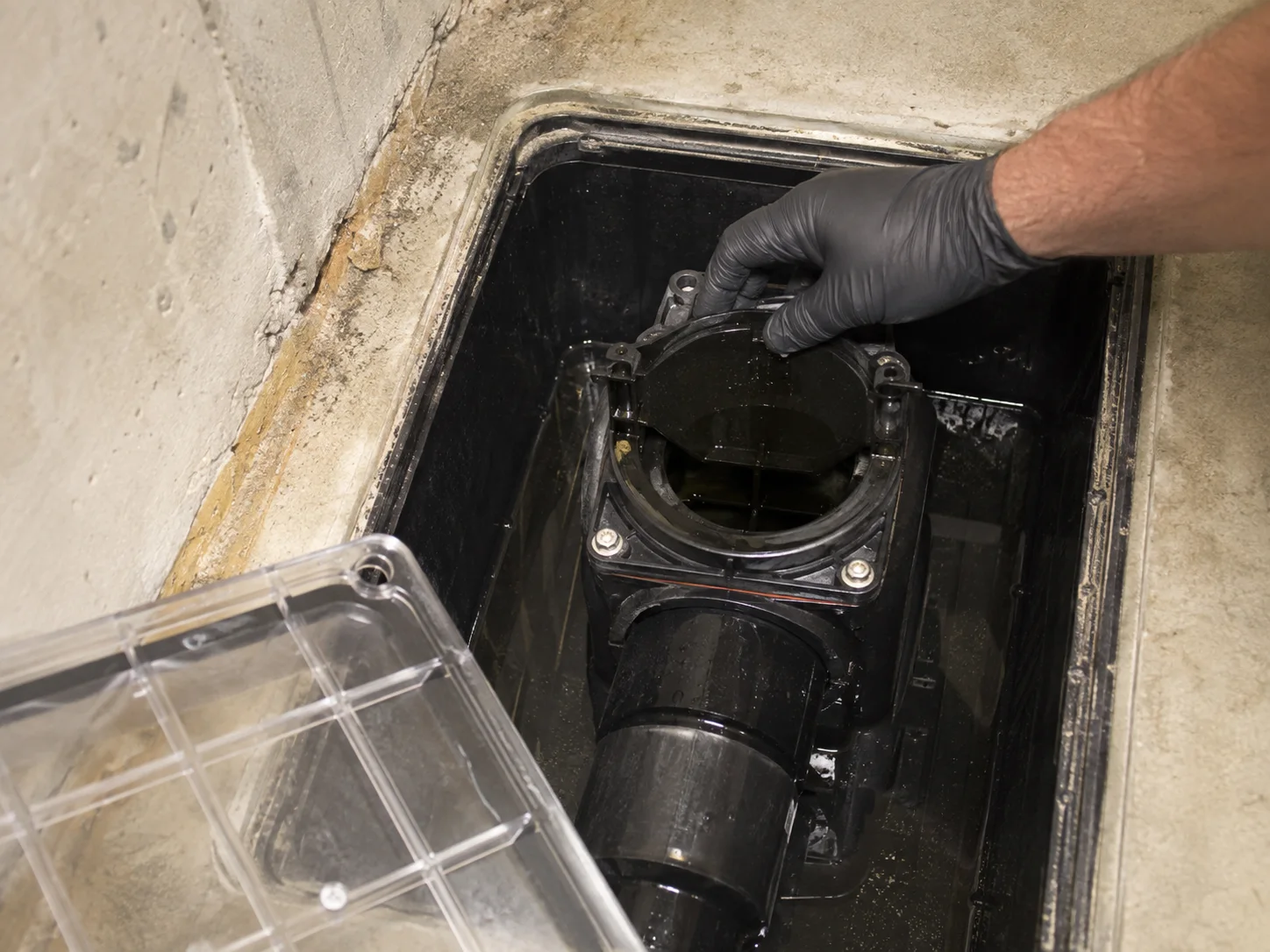
Backwater Valves for Toronto Basement Drainage
Review placement, upstream fixtures, service access, permit inspection and maintenance for a valve intended to reduce sewer backup risk.
Assessment route
What a plumber should establish before selecting the work
A useful assessment of a backwater valve separates the visible symptom from the pipe section causing it. That distinction matters in Toronto properties where fixtures, branch lines, shared stacks, building drains and the private sewer lateral can overlap.
Access for future inspection and removal of debris.
Permit and inspection steps for the proposed installation.
Current City programme and documentation requirements if an application is planned.
From symptom to tested scope
Backwater Valves for Toronto Basement Drainage: service process
Locate the affected zone
The request is mapped to a fixture, room, floor, stack or exterior route before a method is proposed.
Choose a proportionate diagnostic
Visible checks, controlled testing and camera inspection are considered according to the symptom and safe access.
Define the repair boundary
The proposed scope should state the pipe or component involved, access assumptions and what is excluded.
Verify operation before closeout
The affected route is tested where practical and the result, limitations and next step are recorded.
DECISION POINT
Information that changes the plumbing decision
A backwater valve closes under reverse flow and must remain accessible. It does not manage every source of water, and fixtures upstream should not be used while the valve is closed. The selected device and installation must match the approved design.
Prepare the property
Information and access to prepare
- Stop using the affected fixture if use causes backup, overflow or visible leakage.
- Keep people and stored items away from contaminated water or an active leak.
- Note which fixtures were used immediately before the symptom appeared.
- Locate accessible shut-off valves and cleanouts without forcing covers or fittings.
- Share property type, floor, Toronto postal code and any previous plumbing work.
Scope boundary
What this page does not promise
- A service request is not confirmed until its location, access and operational availability are reviewed.
- An online description cannot prove the material, route or internal condition of concealed pipework.
- Permit, building-management and municipal requirements depend on the final work scope.
- Pricing requires enough diagnostic information to define labour, access, materials and restoration boundaries.
Toronto plumbing questions
Backwater Valves for Toronto Basement Drainage FAQ
Can a backwater valve be diagnosed from a photo?+
A photo can show the visible symptom, fitting and access conditions. It usually cannot confirm the internal pipe route, obstruction type or condition behind a wall, floor or foundation.
Does every slow drain need a camera inspection?+
No. The appropriate sequence depends on whether the issue is isolated, recurring, affects several fixtures or suggests a deeper building drain or sewer problem.
Will I receive a price before the scope is known?+
The request should first identify the likely zone and access. A useful estimate states its assumptions and separates diagnostic work from repair or restoration that cannot yet be confirmed.
Do you serve locations outside Toronto?+
This website is structured for Toronto addresses only. Submit the postal code so coverage can be checked before scheduling is discussed.
Ready to map the request?